The Rosary at Lepanto: The Weapon No One Could See
October 7, 1517 - The Battle of Lepanto
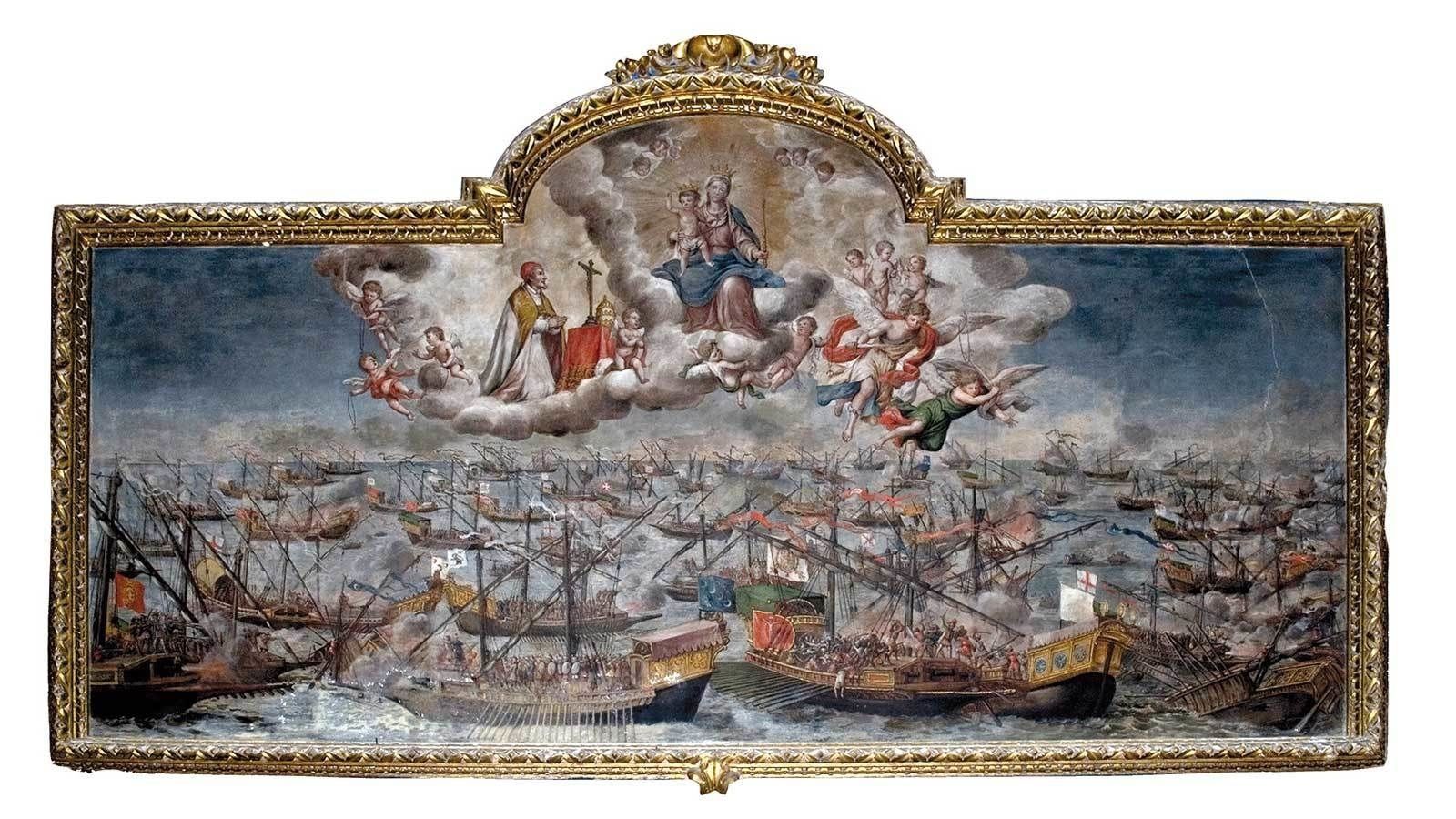
On October 7, 1571, two great fleets met off the coast of Greece.
On one side was the Ottoman fleet, then a dominant power in the Mediterranean. On the other was the Holy League, a coalition of Catholic states assembled by Pope St. Pius V and commanded by Don Juan of Austria.
More than 200 galleys and tens of thousands of men would take part in what became the Battle of Lepanto. But while the ships prepared for battle, something else was happening throughout Europe.
Pope St. Pius V had called the faithful to pray the Rosary for the Christian fleet. Rosary confraternities and ordinary Catholics prayed while the sailors fought. The battle was fierce. By the end of the day, the Ottoman fleet had suffered a devastating defeat, with numerous ships captured or destroyed and thousands of Christian galley slaves freed.
Then came the part Catholics would remember for centuries.
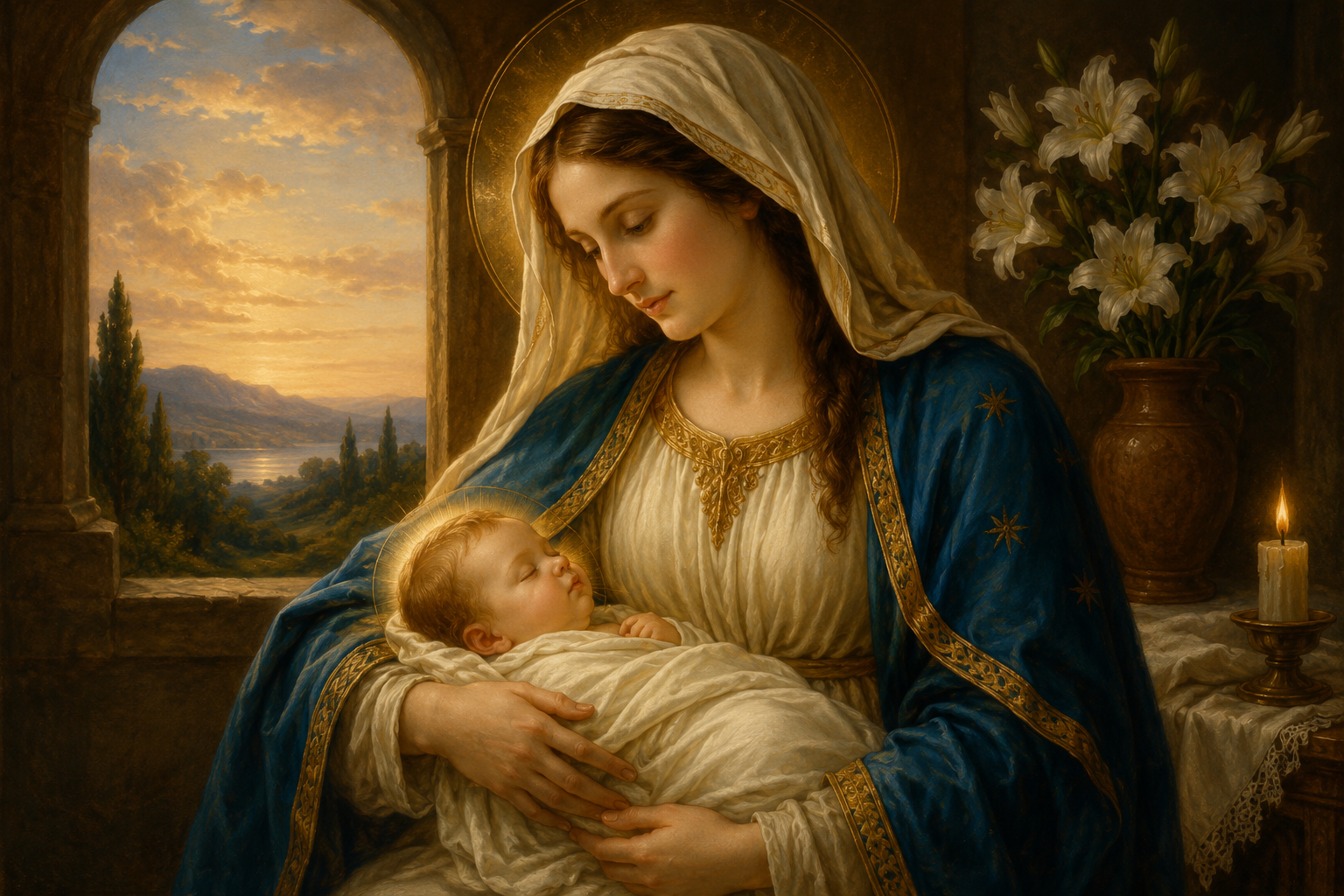
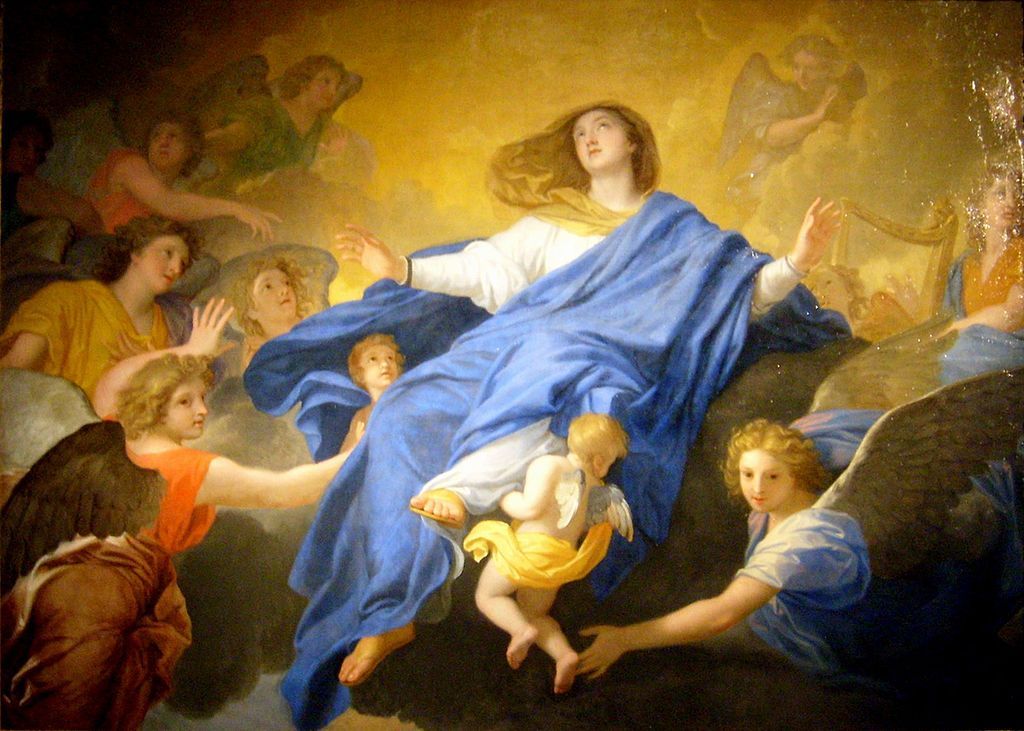
Pius V attributed the victory to God's help through the intercession of the Blessed Virgin Mary. He established a feast in thanksgiving for the victory, eventually associated with the Holy Rosary.
The cannon did the fighting.
The sailors did the fighting.
But for St. Pius V and countless Catholics who prayed that day, the Rosary was the weapon that mattered most.
Lepanto became more than a naval victory. It became a reminder that, in the Catholic understanding, the most powerful battles are not always fought with weapons we can see.
This is a reminder for all of us to Pray the Rosary with love and devotion, trusting Our Lady's intercession to God on our behalf.