How St. Thomas Beat the "Bad Tag" and Became Our Hero
Saint Thomas the Apostle is best known in history by a nickname he does not entirely deserve:
"Doubting Thomas."
Yet, for Catholic believers, Thomas is a profound gift.
His journey from skepticism to a fierce, unwavering faith provides a daily blueprint for gratitude. He shows us why we can confidently say, "Thank You, God," every day, not because our lives or faith are completely free of struggle, but because Christ meets us in the midst of our doubts.
From Doubt to Daily Praise
We first encounter Thomas's struggle in the Gospel of John. When the other Apostles joyfully announce they have seen the risen Lord, Thomas resists the easy comfort of their testimony:
"Unless I see the mark of the nails in his hands and put my finger into the nail marks and put my hand into his side, I will not believe." (John 20:25)
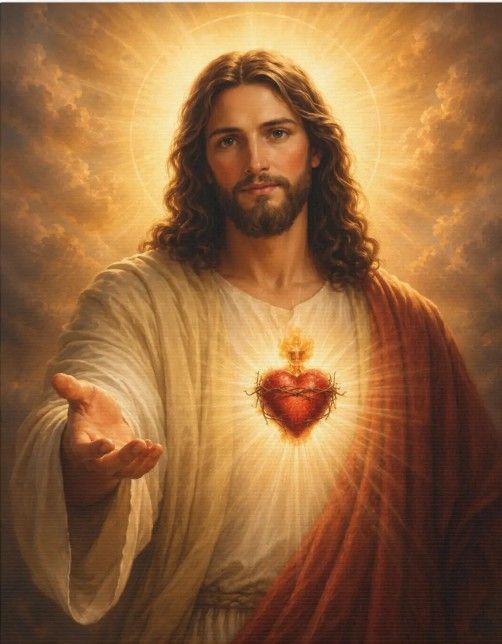
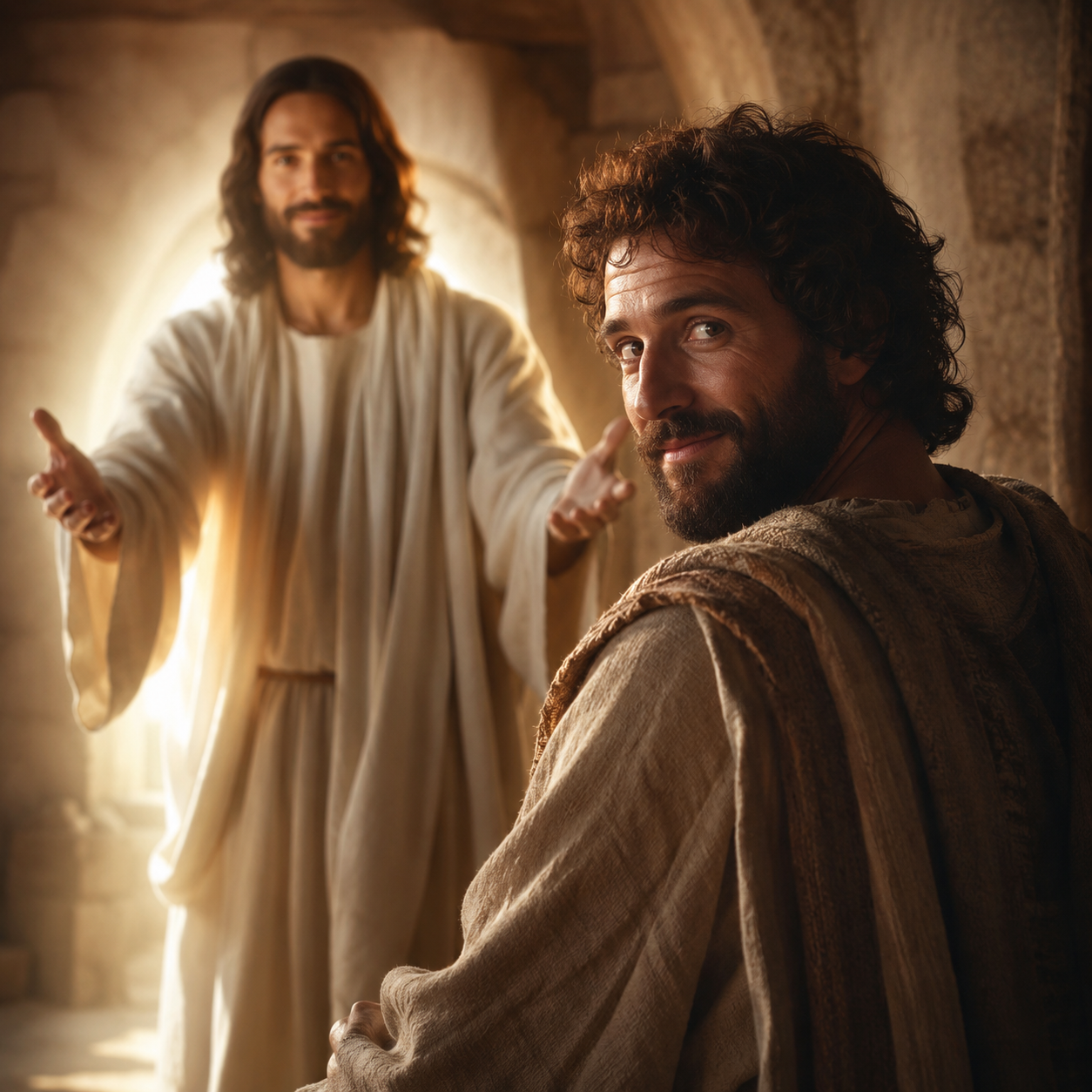
Instead of reprimanding Thomas, Jesus returns a week later. He extends His wounded hands and offers His side, inviting Thomas into a profound encounter with His mercy. This moment is one of the reasons we give thanks every day.
It reminds us that God does not abandon us when our faith wavers or when the daily grind makes His presence feel distant.
The Catechism of the Catholic Church (CCC) emphasizes the vital role Thomas's skepticism played in the foundation of the Church. It was not a failure, it became a path to certainty:
"By means of touch and the sharing of a meal, the risen Jesus establishes direct contact with his disciples... He invites them in this way to recognize that he is not a ghost and above all to verify that the risen body in which he appears to them is the same body that had been tortured and crucified, for it still bears the traces of his Passion." (CCC 645)
When Thomas physically encounters Christ's mercy, he offers the most profound declaration of Christ’s divinity found in the Gospels: "My Lord and my God!" (John 20:28).
A Eucharistic Thanksgiving
For Catholics, Thomas’s famous declaration is woven directly into everyday prayer. Many believers silently whisper, "My Lord and my God" during the Elevation of the Host and Chalice at Mass.
This brings us to the core theme of a faithful life: Eucharist, which literally translates from Greek as thanksgiving. The Catechism teaches that the Eucharist is a continuous sacrifice of praise:
"The Eucharist is a sacrifice of thanksgiving to the Father, a praise by which the Church expresses her gratitude to God for all his benefits, for all that he has accomplished through creation, redemption, and sanctification." (CCC 1360)
Thomas teaches us to thank God every day because his story reminds us that our redemption is solid, physical, and real. We do not worship a distant philosophy; we serve a living God who allows us to encounter Him in the sacraments.
Giving Thanks in All Circumstances
Thomas’s story did not end in the Upper Room. Tradition holds that he traveled to India as a missionary, courageously carrying the Gospel to the ends of the earth until his martyrdom. He transformed his initial doubt into a life of continuous, active gratitude.
St. Paul reminds us of this everyday call to gratitude in his first letter to the Thessalonians:
"In all circumstances give thanks, for this is the will of God for you in Christ Jesus." (1 Thessalonians 5:18)
Through the intercession of Saint Thomas, we learn to thank God not just on the sunny days of radiant clarity, but also on the quiet, heavy days when we are still seeking His hand. We thank God every day because, like Thomas, we know that if we look closely enough, Christ is always standing right there in our midst, offering us His peace.
Peace