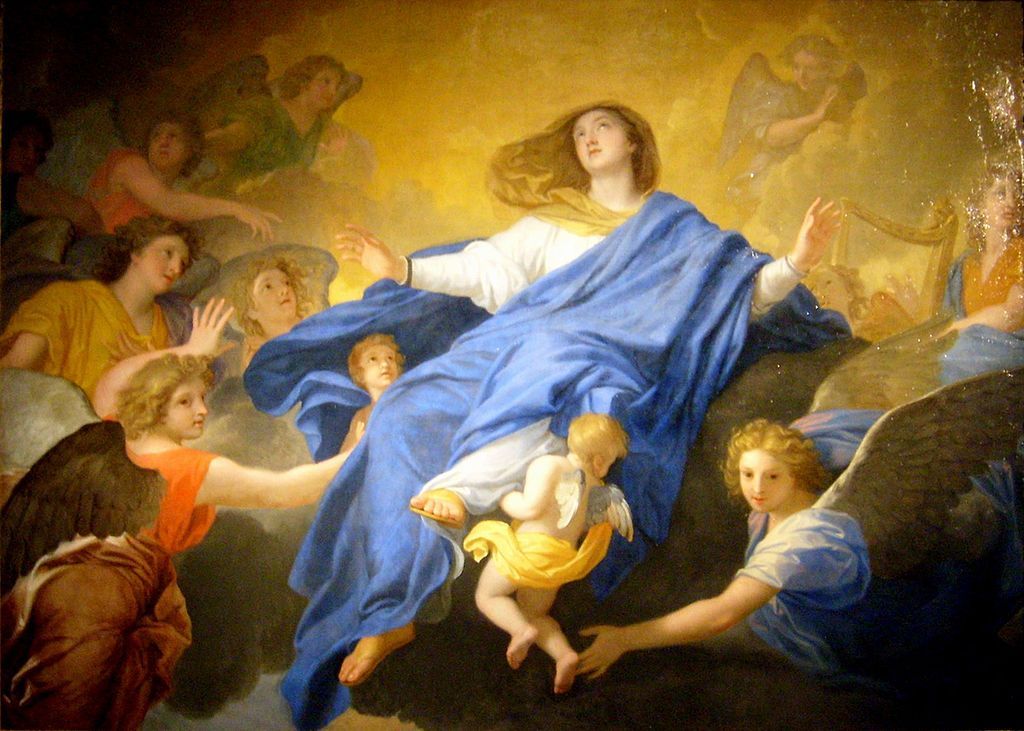
The Significance of May 14th: Understanding the Ascension as a Holy Day of Obligation
For many Christian denominations, particularly within the Catholic Church, the Feast of the Ascension represents one of the most significant moments in the liturgical calendar.
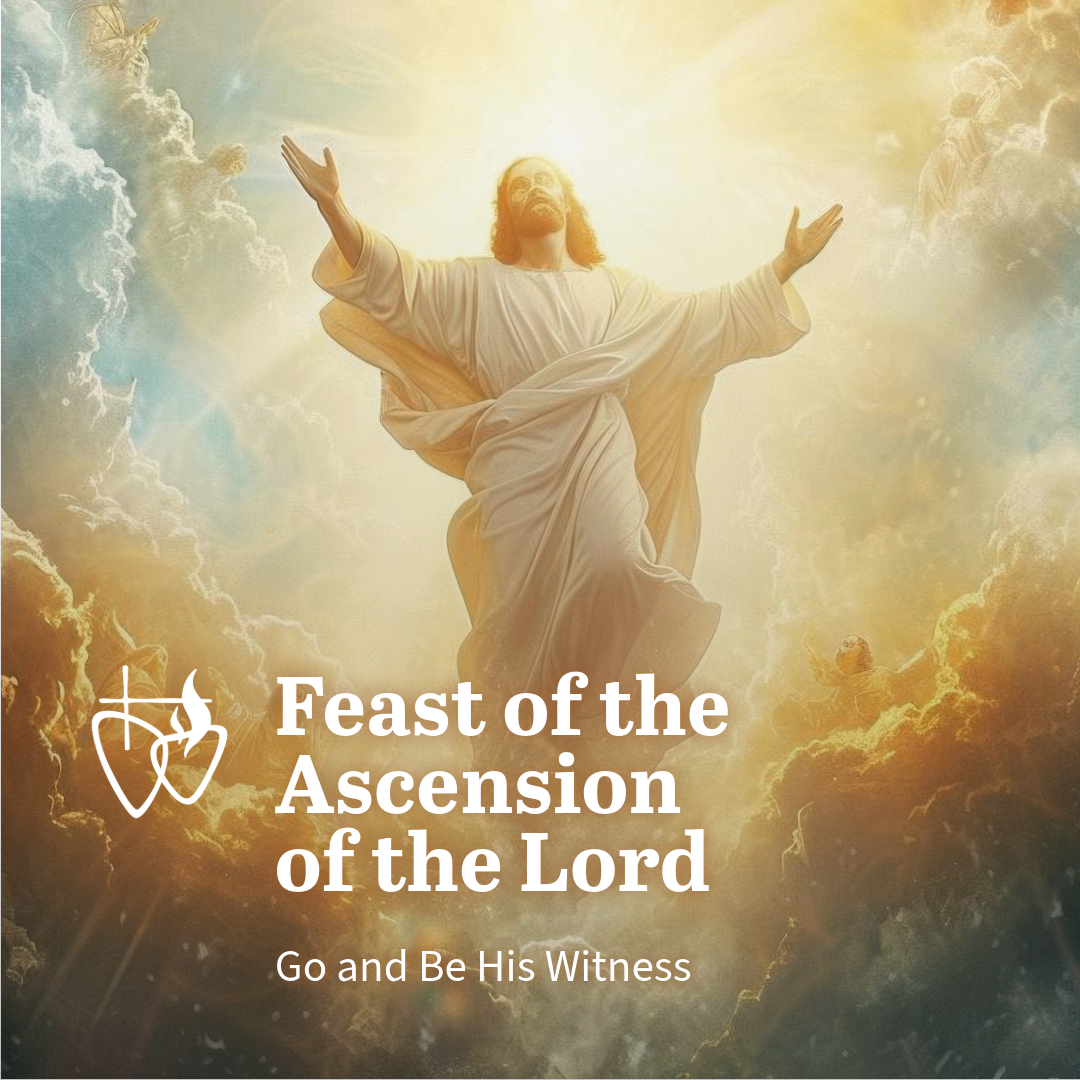
For many Christian denominations, particularly within the Catholic Church, the Feast of the Ascension represents one of the most significant moments in the liturgical calendar.
In 2026, this feast falls on Thursday, May 14th. Beyond being a date on the calendar, why is it considered a Holy Day of Obligation?
To understand its weight, we must look at both the biblical narrative and the theological promise it holds for the faithful.
The Biblical Foundation
The Ascension marks the moment, forty days after His Resurrection, when Jesus Christ ascended bodily into heaven in the presence of His apostles. As recorded in the Acts of the Apostles (1:9):
"When he had said this, as they were looking on, he was lifted up, and a cloud took him from their sight."
This event is not merely a departure or a conclusion to Jesus’ earthly ministry. Rather, it is the entrance of humanity into the divine realm. By ascending, Christ did not leave His followers behind; He went to “prepare a place” for them -revealing that the gates of heaven are open.
Why the “Obligation”?
In the Catholic tradition, a Holy Day of Obligation is a day on which the faithful are required to attend Mass, just as on a Sunday. The Church designates these days to ensure that the community pauses to reflect on the most pivotal mysteries of the faith. In many places, the Ascension is transferred to the following Sunday - often called “Ascension Sunday” - to encourage greater participation.
The Ascension is observed as a Holy Day of Obligation for three primary reasons:
- The Completion of Christ’s Paschal Mystery: If Christmas celebrates God becoming man, and Easter celebrates His victory over death, the Ascension celebrates His glorification. It is the final “seal” on the work of redemption.
- The Promise of the Holy Spirit: Jesus told His disciples that it was “to your advantage that I go away,” since His departure precedes the coming of the Holy Spirit at Pentecost. Observing this day prepares the heart for the “birthday of the Church” ten days later.
- Humanity’s High Calling: Because Christ ascended with His human body, He brought our nature into the very life of God. This reminds the faithful that our ultimate home is not of this world.
The “Thursday” Tradition
Traditionally, the Ascension is celebrated on a Thursday to reflect the biblical timeline of forty days after Easter Sunday. While some dioceses move the celebration to the following Sunday to accommodate modern schedules, others maintain the Thursday observance to preserve the symbolic nine days of prayer - the original novena - leading up to Pentecost.
Living the Feast
Observing May 14th as a holy day is an invitation to “lift up your hearts.” In a world often focused on the immediate and the material, the Ascension redirects our gaze upward. It is a day of hope, affirming that the story of humanity does not end in the grave, but in the eternal presence of God.
Whether celebrated through the liturgy, quiet reflection, or a shared meal, the Ascension remains a cornerstone of faith - a moment when the earthly and the heavenly meet.
Think of the blessings God has given you... health, home, family, and a place to live without fear. When was the last time you and your family gathered on a Holy Day of Obligation to give thanks to Him?
See you at Mass.
Peace.